
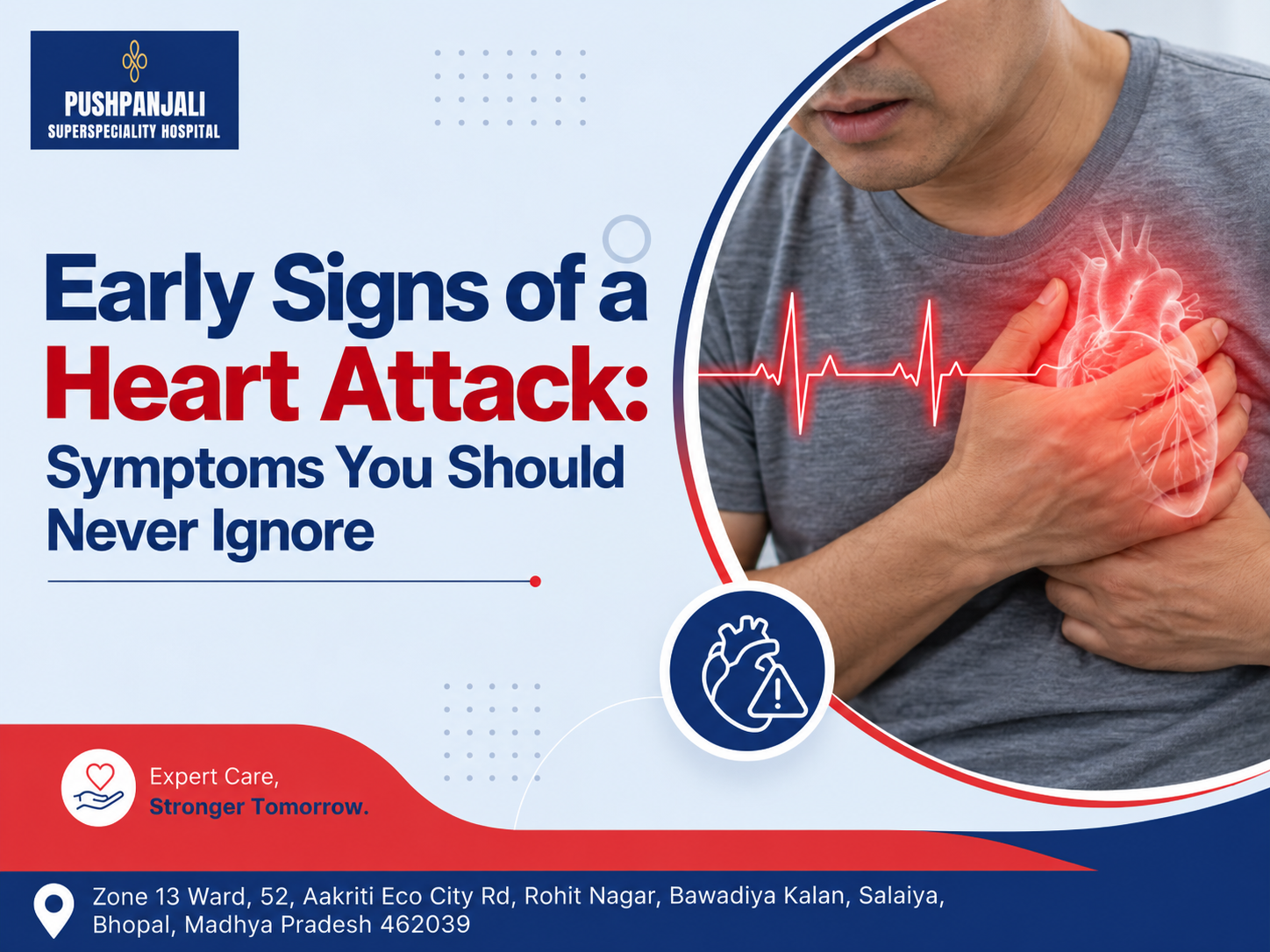
A heart attack is a serious medical emergency that requires immediate attention. It can begin with chest pain, shortness of breath, cold sweating, nausea, or unusual weakness. Recognizing the warning signs early can help patients seek medical care without unnecessary delays.
Understanding Heart Attack Treatment in Bhopal is important for individuals and families who want to learn about cardiac emergencies, available treatment options, and preventive care. Although chest pain is a common symptom, not everyone experiences the same signs. Some people may have mild discomfort or symptoms that resemble indigestion. Pushpanjali Hospital can be contacted to enquire about available cardiac services. If you suspect a heart attack, call 112 or your local emergency ambulance service immediately instead of waiting for a routine appointment.
What Is a Heart Attack and Why Does It Occur?
A heart attack, medically known as a myocardial infarction, occurs when blood flow to part of the heart muscle becomes severely reduced or blocked. This commonly happens when a blood clot obstructs a coronary artery affected by plaque buildup. When the heart muscle does not receive enough oxygen-rich blood, damage can begin. The severity depends on the location of the blockage, the amount of heart muscle affected, and how quickly treatment begins.
Heart Attack Treatment in Bhopal may involve emergency medicines, procedures to restore blood flow, and ongoing medical care, depending on the patient’s condition. Several factors can increase the risk of a heart attack, including high blood pressure, diabetes, high cholesterol, smoking, physical inactivity, and a family history of heart disease. However, a heart attack can also occur in people who have not previously been diagnosed with a heart condition.
What Are the Early Heart Attack Symptoms You Should Never Ignore?
Recognizing Heart Attack Symptoms is essential because the warning signs can vary from person to person. Some symptoms develop suddenly, while others may appear gradually or come and go.
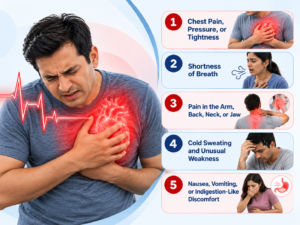
1. Chest Pain, Pressure, or Tightness
Chest discomfort is one of the most common warning signs of a heart attack. It may feel like pressure, squeezing, heaviness, fullness, or tightness in the centre of the chest. The discomfort may last several minutes or disappear and return. Some people describe it as burning or indigestion-like discomfort. If you experience unexplained chest pressure, particularly with sweating or breathlessness, seek emergency medical assistance. Do not delay care while trying to arrange a routine appointment with a Cardiologist in Bhopal.
2. Shortness of Breath
Breathlessness can occur with or without chest pain. A person may find it difficult to breathe while walking, performing everyday activities, or resting. Although respiratory conditions and other medical problems can also cause breathing difficulties, sudden unexplained breathlessness may indicate a cardiac emergency, especially when accompanied by chest discomfort, nausea, or cold sweating.
3. Pain in the Arm, Back, Neck, or Jaw
Heart attack discomfort may spread beyond the chest. It can affect one or both arms, the shoulders, upper back, neck, or jaw. People sometimes mistake these symptoms for muscle pain or dental problems. When unusual discomfort occurs with other possible cardiac warning signs, immediate medical assessment is important.
4. Cold Sweating and Unusual Weakness
Sudden cold sweating without an obvious reason can be associated with a heart attack. Some people may also experience unusual tiredness, dizziness, light-headedness, or a feeling that they might faint. These symptoms can have other causes, but they should be taken seriously when they appear suddenly or occur alongside chest discomfort or breathlessness.
5. Nausea, Vomiting, or Indigestion-Like Discomfort
Some people experience nausea, vomiting, or upper abdominal discomfort during a heart attack. These symptoms may be mistaken for acidity or a digestive problem. However, sudden indigestion-like discomfort accompanied by sweating, breathlessness, or chest pressure may require emergency evaluation. Do not rely on antacids or home remedies to determine the cause. Understanding Heart Attack Symptoms can help people recognize that a heart attack does not always present with severe chest pain.
Can Heart Attack Symptoms Be Different in Women?
Yes. Women can experience chest pain or pressure, but they may also report other symptoms, including:
- Shortness of breath.
- Nausea or vomiting.
- Pain in the back, shoulder, neck, or jaw.
- Unusual fatigue or weakness.
- Cold sweating or light-headedness.
These symptoms can occur in anyone, but some women may experience symptoms that are less readily recognized as heart-related. A Heart Specialist in Bhopal can help assess cardiac risk factors and non-emergency concerns. However, suspected heart attack symptoms require emergency care rather than a routine consultation.
Can a Heart Attack Occur Without Chest Pain?
Yes. Some people experience a heart attack without obvious chest pain. This is sometimes called a silent heart attack, although symptoms may still be present and overlooked. Possible warning signs include unexplained tiredness, breathlessness, nausea, sweating, or discomfort in the back or jaw. People with diabetes may be at increased risk of experiencing less typical symptoms. The absence of chest pain does not rule out a heart attack. If symptoms appear suddenly and suggest a possible cardiac emergency, seek immediate medical help.
Who Is at a Higher Risk of a Heart Attack?
Certain health conditions and lifestyle factors can increase the likelihood of a heart attack.
High Blood Pressure
High blood pressure can damage blood vessels over time and increase cardiovascular risk. Regular monitoring and appropriate treatment can help control it.
High Cholesterol
High levels of certain types of cholesterol can contribute to plaque buildup inside the arteries, potentially restricting blood flow to the heart.
Diabetes
Diabetes increases the risk of cardiovascular disease. People with diabetes should follow their healthcare professional’s advice regarding blood sugar control and heart health.
Smoking and Tobacco Use
Smoking damages blood vessels and contributes to the development of heart disease. Avoiding tobacco is an important step toward reducing cardiovascular risk.
Family History and Age
A family history of early heart disease may increase an individual’s risk. Cardiovascular risk also generally increases with age, although younger adults can experience heart attacks too.
A Cardiologist in Bhopal can help assess individual risk factors and recommend appropriate preventive measures. Being young or feeling healthy does not completely eliminate the possibility of a heart attack.
How Is a Heart Attack Diagnosed?
Doctors use the patient’s symptoms, medical history, physical examination, and diagnostic tests to determine whether a heart attack has occurred.
Electrocardiogram (ECG)
An ECG records the electrical activity of the heart. It can identify changes that may suggest a heart attack and help guide urgent treatment decisions.
Blood Tests
Blood tests measuring cardiac troponin can detect injury to the heart muscle. Depending on the timing of symptoms and the clinical findings, repeat testing may be required.
Echocardiography
An echocardiogram uses ultrasound to assess the heart’s structure, pumping function, and movement of its walls.
Coronary Angiography
Coronary angiography can help identify narrowed or blocked coronary arteries. In selected cases, it helps doctors determine whether a procedure to restore blood flow is necessary.
The required tests depend on the patient’s condition. Suspected heart attack symptoms should be assessed urgently, without waiting for a scheduled consultation.
What Are the Available Heart Attack Treatment Options?
Heart Attack Treatment in Bhopal depends on the type of heart attack, the location and severity of the blockage, the time since symptoms began, and the patient’s overall health.
Emergency Medicines
Doctors may use medicines to reduce clot formation, manage pain, and support heart function. The choice of medication depends on the type of heart attack and the patient’s medical history.
Medicines should only be taken according to medical advice. Do not self-medicate or delay emergency care while trying home remedies.
Coronary Angioplasty and Stenting
In appropriate cases, coronary angioplasty is used to open a narrowed or blocked artery. A small balloon may be used to widen the artery, and a stent may be placed to help keep it open.
The decision depends on the patient’s condition and the availability of suitable cardiac facilities.
Other Procedures or Surgery
Some patients may require additional procedures or surgery depending on the extent of coronary artery disease and the presence of complications.
Cardiac Rehabilitation and Follow-Up
After the emergency phase, patients may need prescribed medicines, regular follow-up appointments, dietary changes, physical activity guidance, and cardiac rehabilitation.
A Heart Specialist in Bhopal can help patients understand ongoing care and prevention after a cardiac event. However, emergency evaluation must come first when a heart attack is suspected. If you are researching Heart Attack Treatment in Bhopal, contact Pushpanjali Hospital directly to confirm which cardiac evaluation, emergency, and treatment services are currently available.
What Should You Do If You Suspect a Heart Attack?
Taking the right steps can help prevent dangerous delays in medical care.
- Call emergency services immediately. In India, call 112 or your local emergency ambulance service.
- Stop physical activity. Sit down and rest in a comfortable position while waiting for help.
- Do not drive yourself. Emergency medical services can provide assistance during transport.
- Follow emergency instructions. Do not delay the call to try home remedies or wait for symptoms to disappear.
- Use medication only as directed. Follow the instructions of emergency personnel or a healthcare professional.
- If the person becomes unresponsive and is not breathing normally, begin CPR if you can and follow the emergency operator’s instructions. Use an automated external defibrillator if one is available.
Do not wait for symptoms to become severe. Prompt emergency care is essential when a heart attack is suspected.
How Can You Reduce Your Risk of a Heart Attack?
Although not every heart attack can be prevented, managing risk factors can help improve cardiovascular health.
Follow a Balanced Diet
Include vegetables, fruits, whole grains, pulses, nuts, and other nutritious foods in your daily diet. Limit excessive salt and foods high in trans fats or saturated fats.
Stay Physically Active
Regular physical activity can support heart health. Choose activities suitable for your age and medical condition. Consult a healthcare professional if you have known heart disease or develop symptoms during exercise.
Monitor Blood Pressure and Cholesterol
Regular checks can help identify cardiovascular risk factors. Follow medical advice regarding prescribed medicines, lifestyle changes, and follow-up testing.
Manage Diabetes
Keeping blood sugar within the target range recommended by your healthcare professional can help reduce complications associated with diabetes.
Avoid Tobacco
Avoid smoking and other tobacco products. If you need help quitting, ask a healthcare professional about available support.
Attend Regular Health Checkups
People with diabetes, high blood pressure, high cholesterol, or a family history of heart disease should discuss their risk and appropriate screening with a Cardiologist in Bhopal or another suitable healthcare professional.
Why Is Timely Cardiac Care Important?
A heart attack can cause lasting damage to the heart muscle if blood flow is not restored promptly. Early diagnosis and appropriate treatment can reduce the risk of complications, although outcomes vary according to the patient’s condition and the speed of treatment. A Heart Specialist in Bhopal can assist with preventive assessments and follow-up care when appropriate. Patients should confirm available services before planning a routine visit.
Pushpanjali Hospital can be contacted for information about its current cardiac services and appointment availability. If you suspect a heart attack, call emergency services immediately instead of waiting for a routine hospital appointment. Understanding Heart Attack Treatment in Bhopal also means knowing the difference between a routine cardiac consultation and a medical emergency. Sudden chest pressure, breathlessness, cold sweating, or other concerning symptoms require urgent attention.
Frequently Asked Questions – Heart Attack Treatment in Bhopal
1. What are the early signs of a heart attack?
Early warning signs may include chest pressure, shortness of breath, cold sweating, nausea, unusual weakness, and pain spreading to the arms, back, neck, or jaw. Recognizing Heart Attack Symptoms is important because some people experience mild or less typical symptoms. If a heart attack is suspected, call emergency services immediately.
2. Who should I consult for heart-related problems in Bhopal?
For non-emergency symptoms or preventive cardiac assessment, you can consult a Cardiologist in Bhopal. The doctor may review your symptoms, medical history, and risk factors before recommending appropriate tests. If you suspect a heart attack, seek emergency care rather than waiting for a routine appointment.
3. What is the treatment for a heart attack?
Heart Attack Treatment in Bhopal may involve emergency medicines, coronary angioplasty and stenting, other procedures when necessary, and ongoing cardiac care. Treatment depends on the type of heart attack and the patient’s condition. Suspected heart attack symptoms require immediate emergency evaluation.
4. Can a heart attack happen without chest pain?
Yes. A heart attack can sometimes cause breathlessness, nausea, cold sweating, unusual fatigue, or discomfort in the back or jaw without obvious chest pain. A Heart Specialist in Bhopal can assess non-emergency cardiac concerns, but suspected heart attack symptoms require immediate medical attention.
5. Which tests are used to diagnose a heart attack?
Doctors may recommend an ECG, cardiac troponin blood tests, echocardiography, or coronary angiography depending on the clinical situation. If you are seeking Heart Attack Treatment in Bhopal, remember that testing for a suspected heart attack should take place urgently through an appropriate emergency service.
6. Can younger adults have a heart attack?
Yes. Although the risk generally increases with age, younger adults can also experience heart attacks. Smoking, diabetes, high blood pressure, high cholesterol, and family history may increase the risk. A Cardiologist in Bhopal can help assess your individual risk factors and discuss suitable preventive steps.
7. How can I lower my risk of a heart attack?
A balanced diet, regular physical activity, avoiding tobacco, managing diabetes, and controlling blood pressure and cholesterol can help reduce cardiovascular risk. A Heart Specialist in Bhopal can recommend preventive measures based on your health history and risk factors.
8. Where can I enquire about cardiac services in Bhopal?
You can contact Pushpanjali Hospital to enquire about its available cardiac services, appointment options, and appropriate department for non-emergency concerns. Confirm whether the required service is available before visiting. For suspected heart attack symptoms, call emergency services immediately.
Conclusion – Heart Attack Treatment in Bhopal
A heart attack does not always begin with severe chest pain. Breathlessness, cold sweating, nausea, unusual weakness, and discomfort in the arms, back, neck, or jaw can also be warning signs.
Recognizing symptoms early and responding without delay can help patients access appropriate care sooner. Heart Attack Treatment in Bhopal depends on the patient’s condition, the severity of the blockage, and how quickly appropriate medical care is provided.
For preventive assessment or non-emergency concerns, contact Pushpanjali Hospital to enquire about available cardiac services. If you or someone around you may be having a heart attack, call 112 or your local emergency ambulance service immediately. Do not wait for symptoms to become severe.